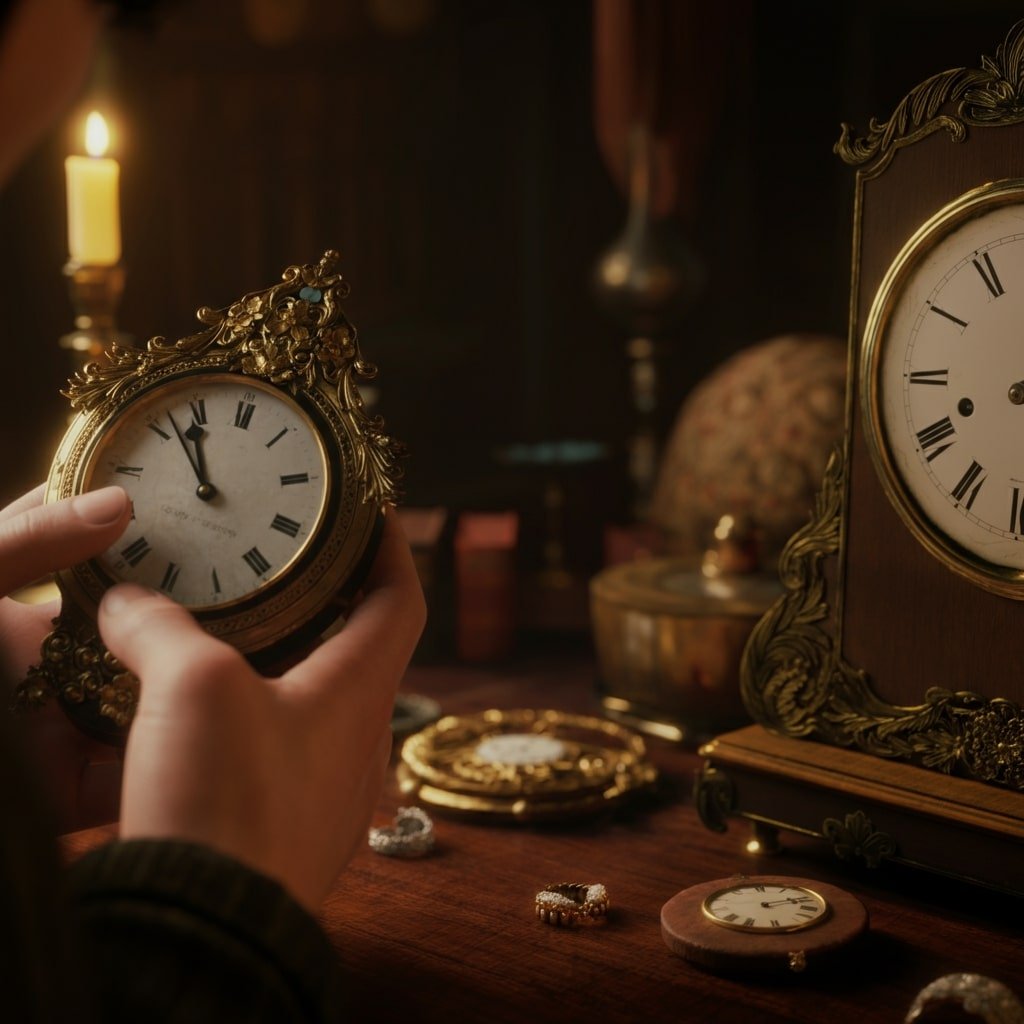
That quirky lamp from your grandparents’ attic or the set of mid-century dishes at a garage sale might be more than just old—they could be vintage treasures. But how can you tell, and how do you turn your find into a fair sale? You don’t need to be an expert appraiser to get started.
This beginner’s guide will help you uncover the stories and value in older items.
Step 1: Investigation – Is It Vintage?
First, determine the item’s age. Generally, “vintage” refers to items between 20 and 100 years old (items over 100 years old are often considered antique).
- Look for Marks: Check for manufacturer’s stamps, logos, or signatures. On the bottom of dishes, the back of furniture, or the inside of clothing tags. These are your best clues.
- Research the Style: Is the design sleek and minimalist? It might be Mid-Century Modern (1950s-60s). Is it ornate with dark wood? It could be from the Victorian era. A quick image search for “vintage [item type] styles” can be very enlightening.
- Materials and Construction: Older furniture is often made with solid wood and dovetail joints, while newer pieces may use particleboard and staples. Heavy glass, certain types of plastic (like Bakelite), and specific fabrics can also indicate age.
Step 2: Research – What’s It Worth?
Value is determined by age, condition, rarity, and desirability.
- Search Sold Listings: This is the most effective method. Look for the exact same item or very similar ones on your local marketplace and other sites. What have people actually paid for it?
- Condition is King: Be brutally honest. Is there damage? Are parts missing? A flaw can significantly reduce value, but don’t hide it—disclose it.
- The “It” Factor: Some items are valuable simply because they’re highly sought-after by collectors right now. This is where understanding current trends helps.
Step 3: Presentation – Tell the Item’s Story
When you list a vintage item, you’re not just selling an object; you’re selling its history.
- Craft a Compelling Title: Include key details. “Vintage 1970s Pyrex Amish Butterprint Mixing Bowl” is far better than “Old Bowl.”
- Write an Informed Description: Share what you’ve learned! “This is a stunning Mid-Century Modern lamp, characterized by its clean lines and brass finish. It’s in working condition with some minor scuffing on the base, consistent with its age.” This shows you know what you have and builds trust.
- Photograph Like a Curator: Take clear, well-lit photos that highlight the item’s best features and any flaws. For clothing, consider using a mannequin or a neutral hanger.
Selling vintage items is a journey into the past. It rewards curiosity and patience. By learning to identify, research, and present your finds, you can become a steward of history, connecting beautiful objects from the past with new owners who will cherish them for years to come.